
About Stephen
I work with adult men navigating addiction, anxiety, relationship concerns, and life transitions. My focus is on creating a space that is direct, practical, and nonjudgmental. A place where you can say what is actually going on and start working on it.
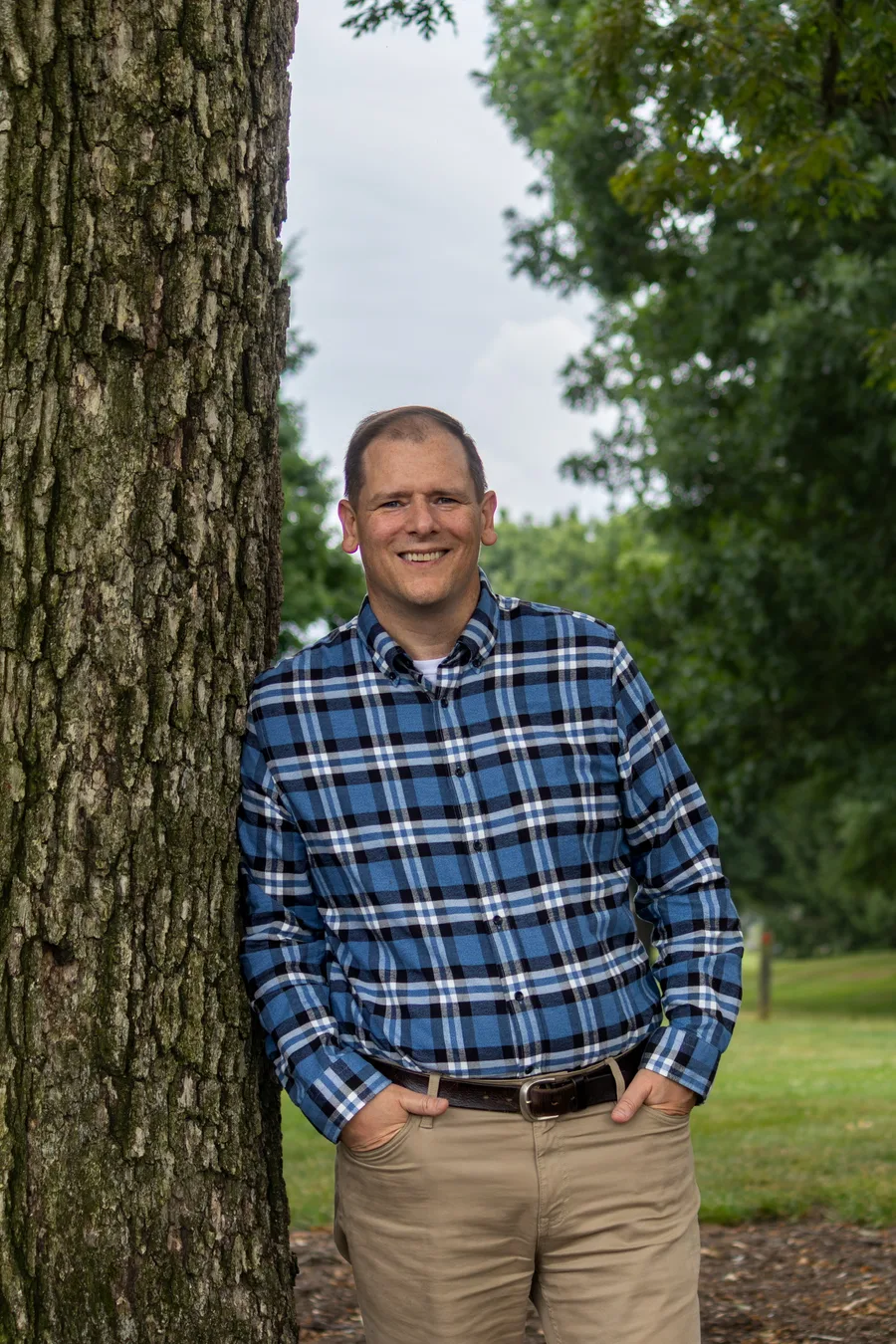
Credentials
- TitleLicensed Professional Counselor (LPC)
- EducationM.A. Clinical Mental Health Counseling, Liberty University
B.S. Psychology, University of Maryland - LicensureLicensed Professional Counselor, Virginia
License #0701016579 - CertificationsCertified SYMBIS Assessment Facilitator
Clinical Background and Training
I'm Stephen DiCarlo, M.A., LPC, a Licensed Professional Counselor practicing in Falls Church, Virginia. I hold a Master's degree in Clinical Mental Health Counseling from Liberty University and a Bachelor's degree in Psychology from the University of Maryland. My clinical background includes an internship at a Virginia-based medical-assisted treatment (MAT) clinic, where I worked with individuals navigating substance use, addiction, and mood disorders.
I have experience supporting clients across a range of settings, which has informed my understanding of the complex ways that mental health, substance use, and relational dynamics intersect.
Therapeutic Approach
My belief is that therapy should be highly functional. It is a collaborative process, and we work together to understand the patterns that keep you stuck and to develop practical ways to move forward.
My approach draws from Cognitive Behavioral Therapy, DBT-informed skills, Motivational Interviewing, person-centered therapy, IFS-informed exploration, and mindfulness and strength-based work. The methods used depend on the concern, your goals, and what is clinically appropriate.
What You Can Expect
Many men avoid therapy because they worry it will feel overly clinical, overly emotional, or judgmental. My practice is designed to be the opposite. I offer a grounded, steady presence, a place where you can speak honestly about what is really going on without pretense or expectation.
Whether you are navigating addiction, managing anxiety, working through relationship strain, or trying to figure out your next chapter, my goal is the same: to understand what is actually happening and help you develop a path forward that fits your life.
Serving Men in Falls Church and Northern Virginia
I provide therapy for adult men in Falls Church, Arlington, Fairfax, and throughout Northern Virginia. I offer both in-person sessions at 207 Park Ave, Suite B-3, Falls Church, VA 22046 and virtual sessions for clients located in Virginia. Reach out to confirm current availability for your location.
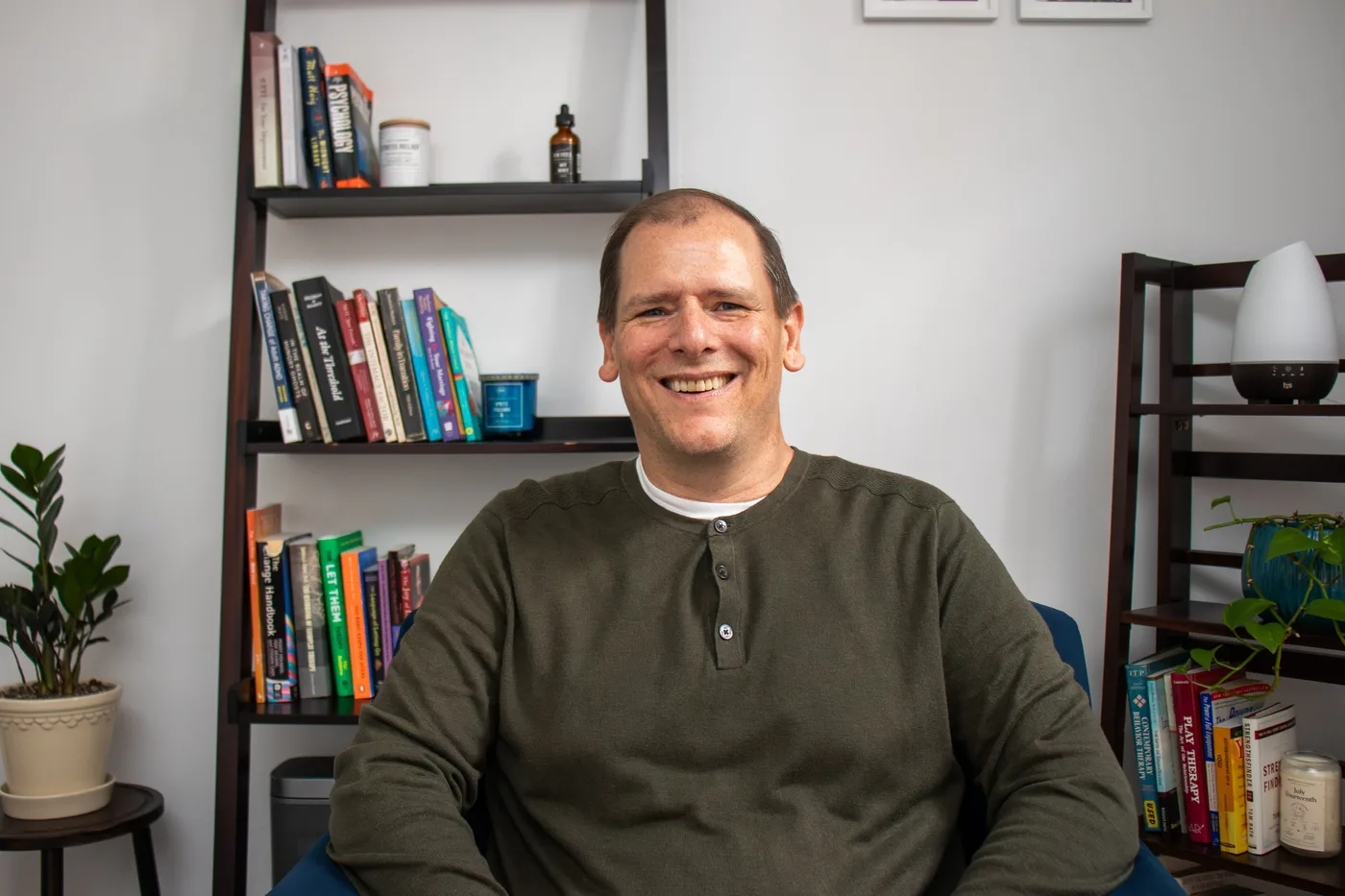

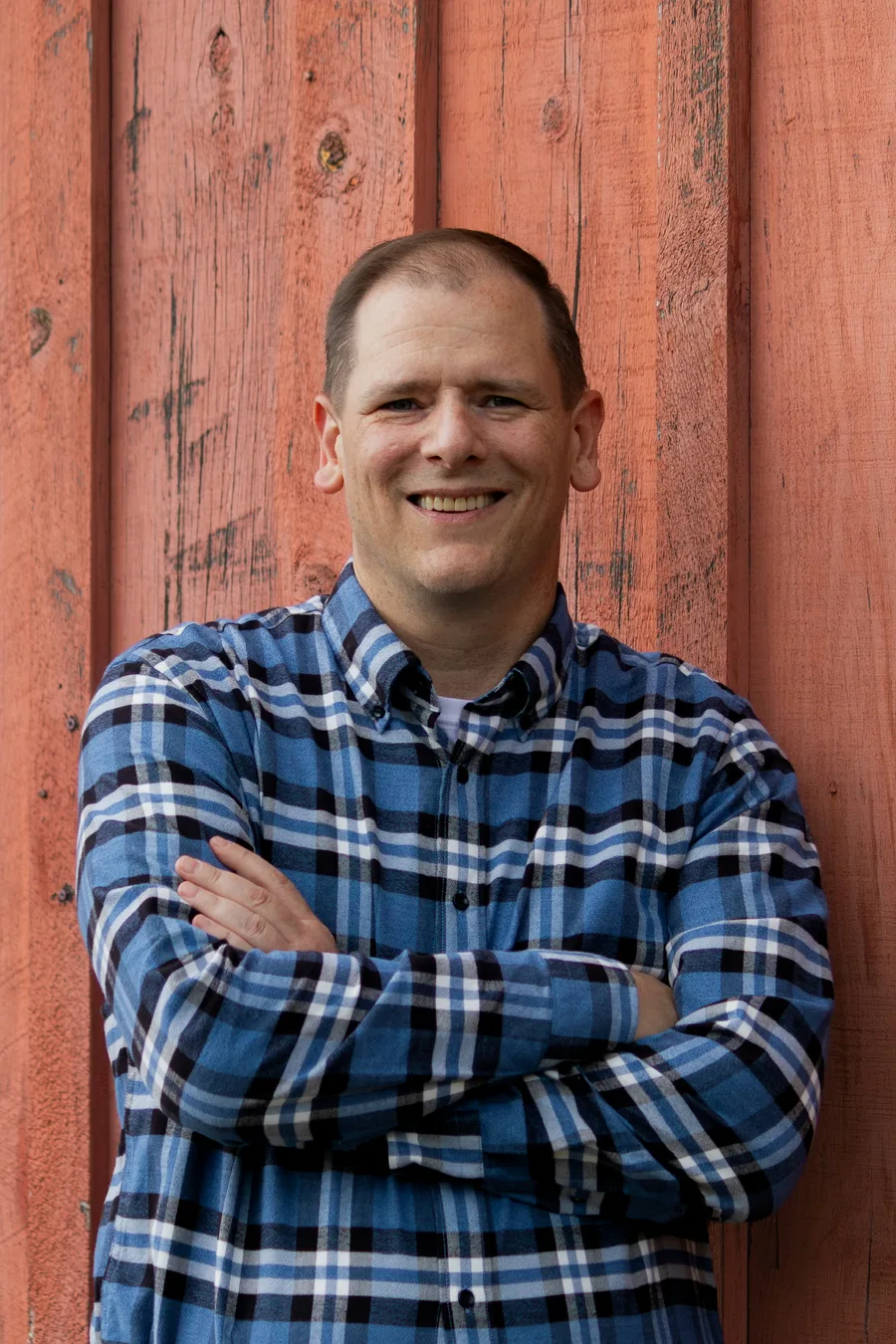
Sessions take place in a quiet office at 207 Park Ave, Suite B-3 in Falls Church, or online anywhere in Virginia.
Therapeutic Style
How I Work
Clients often describe the experience as calm, honest, and practical. No pretense. No performance. Just a steady place to figure things out.
01
Direct
I work to be honest and clear. I will share observations, name patterns, and offer perspective, without being harsh or clinical about it.
02
Practical
Our sessions focus on what is actually useful. The goal is not just to understand. It is to develop real ways of moving forward that fit your life.
03
Nonjudgmental
Whatever has brought you to this point, whether addiction, relationship damage, avoidance, or shame, you can discuss it without judgment or performance.
Approaches
Approaches Stephen May Draw From
Cognitive Behavioral Therapy
CBT helps identify connections between thoughts, emotions, and behavior. It can be useful for recognizing patterns that contribute to anxiety, avoidance, self-criticism, substance use, and feeling stuck.
DBT-Informed Skills
I may use DBT-informed skills to support emotional regulation, distress tolerance, mindful awareness, and more effective responses during difficult situations.
Motivational Interviewing
Motivational Interviewing provides a respectful way to explore ambivalence about change. It can be particularly useful when someone is uncertain about changing a substance-related or compulsive pattern.
Person-Centered Therapy
Person-centered work emphasizes an honest, respectful, and nonjudgmental relationship. Therapy is adapted to the client rather than forcing every person through the same process.
IFS-Informed Exploration
I may draw from Internal Family Systems concepts to explore conflicting parts of a person's experience, including the part that wants change and the part that still relies on an old coping strategy.
Mindfulness and Strength-Based Work
Mindfulness and strength-based approaches can help clients notice patterns without immediately reacting to them, recognize existing abilities, and build practical next steps.
I may also integrate attachment-based, narrative, psychodynamic, existential, compassion-focused, and solution-focused concepts when they are relevant to your needs.